Key Takeaways
- Glass is Safest: Glass is a top choice for food storage. It does not leak chemicals into your food or change its taste.
- Borosilicate is Best for Heat: For hot foods, coffee, or moving from the fridge to the microwave, borosilicate glass is the strongest and safest option.
- Check Decorative Jars: Cool jars like a skull tequila bottle are great, but make sure any paint is on the outside and is lead-free. Plain glass is always a safe bet.
- Lids Matter Too: The lid is just as important as the jar. Natural options like bamboo or cork are great. Check metal lid liners for chemicals like BPA.
- Know Your Plastics: If you use plastic, look for numbers #2, #4, and #5. Try to avoid heating food in any plastic container.
- Clean Jars are Safe Jars: Always sterilize glass jars properly, especially when storing food for a long time.
What Makes a Jar "Food Grade"?
A jar is called "food grade" when it is safe to hold food. This means the material will not leak harmful chemicals into your snacks or drinks. In America, a group called the FDA checks these materials. They make sure there is a "reasonable certainty of no harm" from the container. This is why choosing the right jar is important for your health. Materials like glass are often a great choice because they are very stable. They don't react with food, which keeps your food pure and safe to eat. This is a core reason people prefer glass jars.
The Clear Choice: Why Glass Jars are a Safe Bet
Glass is a fantastic material for storing food. Its main benefit is that it is inert, which means it doesn't react with the food inside. Your tomato sauce will not taste like plastic, and your pickles will stay crisp and flavorful. Glass provides a strong barrier against air and moisture, keeping food fresh for longer. This makes it perfect for everything from pantry staples to leftovers. As an expert, I always recommend glass for acidic foods like citrus juice or anything with vinegar. Unlike some plastics, glass won't break down or release chemicals when it touches these foods.
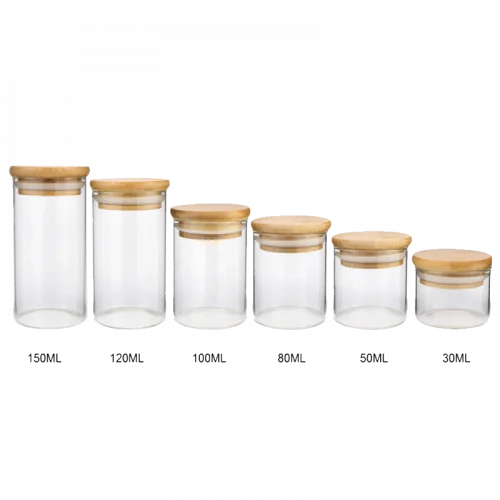
Not All Glass is the Same: Understanding Borosilicate Glass
You may have heard of different types of glass. One special type is borosilicate glass. This glass is very strong and can handle big temperature changes without breaking. You can take a borosilicate glass jar from the refrigerator and safely warm its contents. It is made with silica and boron trioxide, which makes it resistant to thermal shock. This is why it's used for laboratory equipment and high-quality kitchenware. For storing hot coffee or freezing homemade soup, choosing borosilicate glass gives you peace of mind. Many unique designs, like a dragon borosilicate glass bottle, combine safety with style.
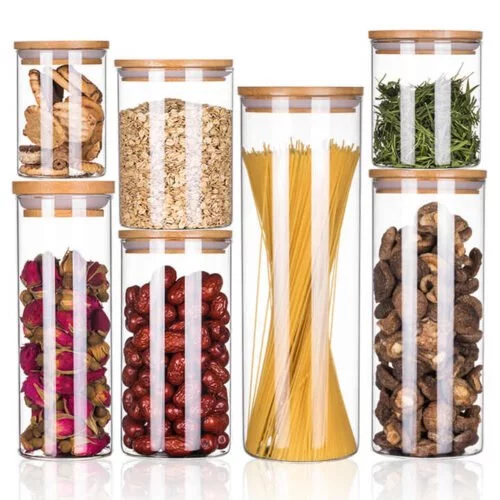
The Lid Matters: Safe Sealing with Bamboo and Cork Lids
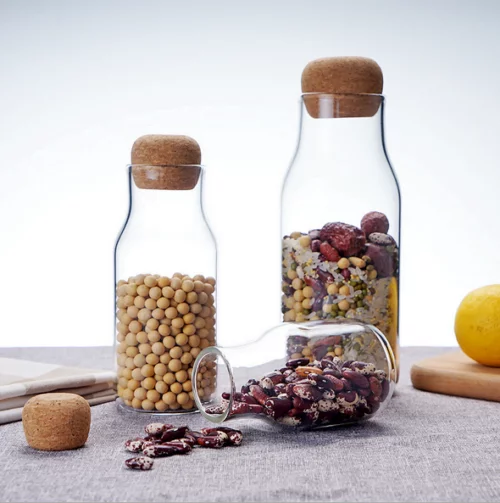
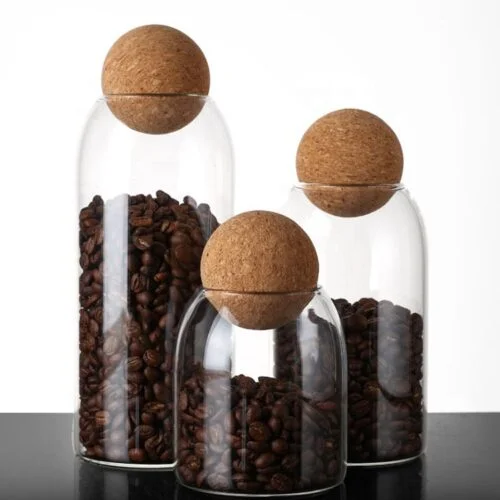
A jar's safety includes its lid. The lid creates the seal that protects your food. Many common metal lids have plastic liners that can contain chemicals like BPA. A safer and more natural choice is a glass jar with a natural cork stopper lid. Cork is a renewable material that creates a good seal for dry goods. Bamboo lids, often seen on a coffee bean glass jar, are another excellent option. Bamboo is a sustainable wood that is durable and safe for food contact, usually with a food-safe silicone seal to make it airtight.
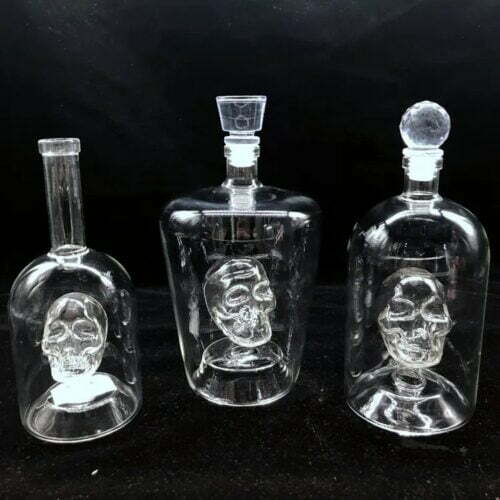
Are Decorative Bottles Like Skull Designs Safe for Drinks?
Many people love collecting unique glass bottles, such as the popular skull head whiskey bottle. These bottles are beautiful, but it is wise to check their safety. The main concern is with any paint or colored glazes. These decorations can sometimes contain heavy metals like lead or cadmium. If the decoration is on the outside of the bottle, the risk is low. For a bottle to be truly food-safe, the glass itself should be free of these metals, or the decorations must not touch the liquid inside. Always buy from a trusted manufacturer who can confirm their products are safe for beverages.
Plastic Jars: What to Know Before You Store
Plastic containers are popular because they are light and do not break easily. However, not all plastics are safe for all foods. You can learn about the plastic type by looking at the number inside the recycling symbol on the bottom. Here is a simple guide to help you choose between glass vs plastic.
| Recycling Number | Plastic Name | Safety Profile |
|---|---|---|
| #1 PETE | Polyethylene Terephthalate | Best for single use. Avoid heat. |
| #2 HDPE | High-Density Polyethylene | A safer option, good for milk and juice. |
| #3 PVC | Polyvinyl Chloride | Avoid for food. Can leach chemicals. |
| #4 LDPE | Low-Density Polyethylene | A safer option, used for bags and wraps. |
| #5 PP | Polypropylene | A top safe choice. Often microwave-safe. |
| #6 PS | Polystyrene | Avoid for food, especially hot food. |
| #7 OTHER | Various | Can contain BPA. Avoid unless labeled safe. |
As a rule, I advise clients to avoid heating food in any plastic container. Heat can make plastics release chemicals much faster.
Keeping it Clean: How to Sterilize Glass Jars for Safety
Cleanliness is a huge part of food safety. If you plan to preserve food or store it for a long time, you must know how to sterilize jars. Proper sterilization kills bacteria, mold, and yeast, so your food will not spoil. The easiest way is to wash the jars with hot, soapy water, then place them in a large pot of boiling water for at least 10 minutes. Lids should also be sterilized according to the manufacturer's directions. This simple step ensures that the food you carefully prepare stays safe and delicious to eat for months.
Choosing the Right Glass Jar Size and Shape for Your Needs
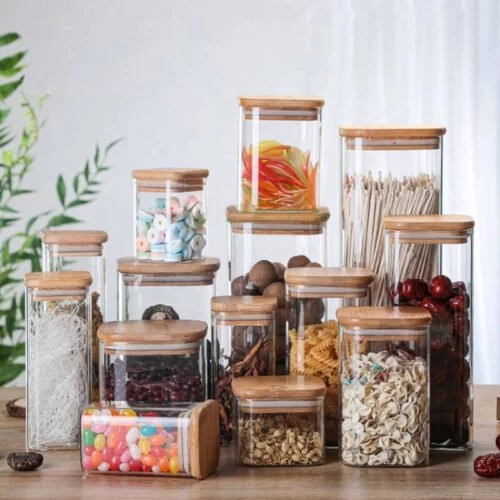
Using the right container is both practical and safe. A guide to glass jar sizes can help you pick the perfect one for the job. Storing spices in a small jar keeps them fresh. Using a large jar for pasta keeps it protected from pests and moisture. The shape also matters. A wide-mouth jar is easy to fill and clean, making it great for pickles or jams. Understanding the many glass jar uses helps you organize your kitchen efficiently. Choosing the right jar reduces food waste and ensures your food is stored in the best possible way.
Frequently Asked Questions (FAQ)
1. Is all glass food safe? Most plain, undecorated glass is very safe for food. Be careful with old, colored, or highly decorated glassware, as the paint or glaze could contain lead. Lead crystal also contains lead and should not be used for long-term storage of liquids, especially for children or pregnant women.
2. Can I put hot coffee in any glass jar? No. To pour very hot liquids into a glass jar, you should use one made from borosilicate glass. Regular glass, called soda-lime glass, can crack or shatter from the sudden temperature change.
3. Are bamboo and cork lids safe for food? Yes, bamboo and cork are generally safe and sustainable materials for lids. They are best for storing dry goods like grains, nuts, and spices. Make sure any bamboo lid has a food-grade silicone seal if you need it to be airtight.
4. Why should I avoid certain plastic numbers? Plastics like #3 (PVC), #6 (PS), and some #7 (like polycarbonate) can leach harmful chemicals into your food. These chemicals, such as phthalates, styrene, and BPA, are linked to health problems. It is especially important to avoid heating these plastics.
5. Can I reuse a spaghetti sauce jar for home canning? It is not recommended. Commercial jars from products like spaghetti sauce or mayonnaise are not designed to withstand the high heat and repeated stress of home canning processes. They are more likely to break, which is a safety hazard. Use proper Mason-type canning jars for preserving food.
Key Takeaways
- Big and Growing: China's glass market is huge and keeps growing. It is a world leader in making glass jars for food, cosmetics, and medicine.
- Types of Makers: You can find very large factories that make all kinds of jars. You can also find smaller, special makers.
- Borosilicate Experts: Some makers, like Ingcho, are experts in heat-resistant borosilicate glass. They create strong, safe, and often artistic custom jars.
- How to Buy: You can buy directly from a factory, use a website like Alibaba, or work with a trading company.
- What it Costs: The price of a jar depends on materials like sand and soda ash, energy for the factory, and how many you order.
- Quality First: It is very important to choose a manufacturer that follows safety rules, like those from the FDA for food products.
China's Big Market for Glass Jars
China is a world leader in making glass. The country's glass market was worth over 32 billion US dollars in 2023. This shows how much glass is made there for all sorts of things. A big part of this is glass jars used for packaging. Think of jars for jam, honey, face creams, and medicines. The demand for these jars is strong and growing. China sends about 2 million tons of glass containers to other countries each year. The United States, India, and Vietnam are some of the biggest buyers of these storage jars.
Finding the Right Glass Jar Manufacturer in China
When you look for glass jar manufacturers in China, you will find two main types. First, there are very large companies. These factories can produce millions of tons of glass a year. They make a wide variety of standard bottles and jars for food, drinks, and medicine. Then, there are specialists. These manufacturers focus on a specific type of glass or a certain market. For example, some only make glass for perfume bottles, while others are experts in pharmaceutical vials. Choosing the right one depends on your needs. If you need a standard jar in a large quantity, a generalist might be a good fit.
Specialists in Borosilicate Glass Jars
If you need something special, a specialist manufacturer is your best choice. Companies like Ingcho focus on making products from borosilicate glass. This type of glass is very strong. It can handle high heat without breaking, which is great for storing hot foods or for sterilizing jars. It is also very safe for food and medicine because it doesn't leak chemicals. Ingcho stands out by creating unique and self-developed products, including art glass with animal or flower shapes. This is different from other specialists who may offer more standard customization. This focus on art and quality makes them a great partner for brands wanting a truly unique look.
How to Source Your Glass Jars
There are a few ways to buy glass jars from China. The best method for you depends on your order size and how custom your jar is.
- Direct from Factory: For custom designs or large orders, talking directly to a factory like Ingcho is best. You get better prices and can make sure your design is perfect.
- B2B Websites: Sites like Alibaba are good for finding many suppliers. They are useful for smaller businesses or for buying standard jars.
- Trading Companies: These are middlemen. They can help smaller buyers who don't meet a factory's minimum order quantity (MOQ).
MOQs can be very different. Some factories need you to order 5,000 or 10,000 jars. Others might sell you just 100. Always check for quality certifications like FDA or ISO to ensure the jars are safe.
What Determines the Cost of a Glass Jar?
The final price of a glass jar depends on several things. Understanding these helps you know what you are paying for.
| Cost Factor | Description |
|---|---|
| Raw Materials | The main parts are silica sand and soda ash. The price of soda ash can change a lot, which affects the jar's cost. |
| Energy | Making glass uses a lot of heat to melt the sand. High energy costs mean higher jar prices. |
| Labor | The cost of workers to make and check the jars. |
| Logistics | The cost to pack and ship the jars safely, especially for export. |
| Complexity | A simple square glass jar will cost less than a custom-shaped art bottle. |
| Tariffs | Taxes on goods sent to other countries, like the U.S., can add to the final cost. |
New Ideas in Glass Jar Making
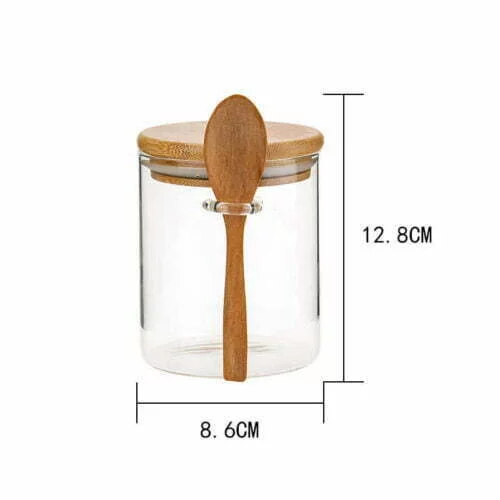
Glass jar making is always improving. Manufacturers are finding new ways to make better products. One big idea is "lightweighting." This means making jars thinner and lighter without making them weak. Lighter jars cost less to ship and are better for the environment. Factories are also using more recycled glass, called cullet. This saves raw materials and energy. Many factories now use robots and automatic machines. This helps make jars faster and with fewer mistakes. You might even see jars with special features, like QR codes you can scan with your phone or lids that have a built-in spoon.
Why Choose a Custom Borosilicate Glass Jar Manufacturer?
Working with a specialist in custom borosilicate glassware gives you big advantages. Borosilicate glass is the best choice for premium products. It is strong, safe for hot and cold, and looks very clear and clean. A specialist manufacturer can create a jar that is unique to your brand. Instead of a plain jar, you could have one shaped like a flower or an animal. This helps your product stand out on the shelf. An expert partner will also help protect your unique design so no one else can copy it. This partnership is about creating more than just a container; it's about creating a piece of art that holds your product.
Frequently Asked Questions (FAQs)
1. What is the minimum order quantity (MOQ) for glass jars from China? The MOQ varies a lot. For standard jars from a large factory or B2B site, it could be 100 to 1,000 pieces. For custom borosilicate jars from a specialist, it might be 5,000 or 10,000 pieces. It is best to ask the manufacturer directly.
2. Is it safe to use glass jars from China for food? Yes, as long as you choose a reputable manufacturer. Look for companies that state they meet international standards like FDA or LFGB. These certifications mean the glass is safe for contact with food.
3. What is borosilicate glass and why is it special? Borosilicate glass is a type of glass made with silica and boron trioxide. It is much stronger and more resistant to heat changes than regular glass. This makes it perfect for kitchenware, lab equipment, and high-quality food storage jars.
4. How long does it take to get custom glass jars made? Lead times depend on the project. If the factory is using an existing mold, it might take 25-40 days. If they need to create a new, custom mold for your design, it could take 50-75 days.
5. How can I protect my unique jar design? Work with a manufacturer that has clear policies on intellectual property (IP). You can use contracts like an NNN (Non-Disclosure, Non-Use, Non-Circumvention) agreement. Also, be clear about who owns the mold created for your product. A trustworthy partner will help protect your design.
Key Takeaways: Your Quick Guide to Glass Containers
- Why Glass is a Great Choice: Glass is safe for food and drinks because it has no harmful chemicals. It keeps products fresh, is 100% recyclable, and gives any item a high-quality look.
- Finding a Supplier: Big companies are good for huge orders of standard bottles. Specialized suppliers are perfect for creating unique custom glass bottles that make your brand stand out.
- What to Check: Always look at the quality of the glass. Ask about the minimum number of bottles you need to order (MOQ) and how long it will take to get them.
- Top Trends: The newest glass containers are lighter to save on shipping and are made with more recycled glass to help the planet.
Choosing a company to make your glass bottles or jars is a big decision. The right partner helps your product look great and stay safe. The glass market is growing fast because more people want safe, eco-friendly packaging. This means you have many options, from giant factories to smaller, creative workshops. This guide will help you understand your choices and find the perfect glass container supplier for your business. It is important to find a partner who can help you create everything from simple glass jars with lids to complex, artistic bottles.
Why Brands Choose Glass for Their Products
Brands love glass for many good reasons. First, glass is very safe. It’s made from natural things like sand, and it doesn't have chemicals that can get into your food or drinks. This is why it’s a top choice for everything from baby food to fancy spirits. Glass also protects what's inside. It keeps air and moisture out, so the taste and smell of your product stay perfect. As an expert, I've seen how a product's perceived quality instantly rises when it's in a glass container. Plus, glass is great for the planet because you can recycle it forever without it losing quality.
Finding the Right Type of Glass Supplier
There are two main types of glass container suppliers. First, you have huge, global companies. They are great if you need millions of standard beer bottles or food jars. They have big factories and can produce things very quickly. Then, you have specialized or custom manufacturers. These suppliers are experts at making unique shapes and designs. If you want your product to have a special look, like a custom ship-shaped wine bottle, a custom supplier is your best bet. A key piece of advice: large suppliers often have very high minimum orders. A custom manufacturer is usually more flexible for new or smaller brands.
What Makes a Great Custom Glass Bottle?
A great custom bottle tells a story and grabs attention on the shelf. The process starts with a unique idea. A skilled supplier then helps turn that idea into a real design and creates a special mold to shape the hot glass. The material is also very important. For detailed or heat-resistant designs, many brands choose borosilicate glass bottles. This type of glass is extra strong and clear. The best suppliers work with you every step of the way, from the first drawing to the final, beautiful bottle that perfectly represents your brand.
Top Trends in Glass Packaging Today
The world of glass packaging is always changing. One of the biggest trends is sustainability. Companies are working to make bottles lighter, which uses less material and makes shipping cheaper and better for the environment. They are also using more recycled glass, called cullet, in their new products. Another big trend is creating luxury bottle shapes that feel special. Brands want packaging that is not just a container but part of the experience. My expert tip: when a supplier talks about lightweighting, always ask how they test the bottle's strength to make sure it's still durable.
How to Choose Your Glass Container Supplier
Picking the right supplier requires a little homework. First, check their quality by asking for samples. Make sure the glass is clear and has no defects. Ask about their Minimum Order Quantity (MOQ) to see if it fits your needs. You also need to know the lead time—how long it will take to make and deliver your order. Don't just look at the price per bottle. A common mistake is forgetting about other costs. Ask for a full breakdown that includes the price for molds, decoration, and shipping. This helps you understand the true cost and find the best borosilicate glass manufacturer for your budget.
Understanding Different Glass Jars and Their Uses
Glass jars are incredibly useful for many different products. You can find simple glass jars for storing jam or honey, and stylish jars for high-end face creams. The type of lid is also important. A cork stopper gives a natural look, while a screw-on lid provides an airtight seal, perfect for a coffee bean glass jar. The shape also matters. A square jar can look modern and save space on a shelf. When choosing a jar, think about what you are putting inside and what look you want to achieve for your brand.
Common Problems When Sourcing Glass and How to Avoid Them
Sourcing glass can have a few challenges, but they are easy to manage. One issue is breakage. Good suppliers prevent this by using strong packaging and careful handling. Another challenge is shipping cost, as glass is heavy. This is why the trend of lightweighting is so important. Finally, making custom bottles takes time. I once saw a brand delay their launch because they didn't plan for the 6-week mold creation time. The solution is simple: plan ahead! Talk to your supplier about the full timeline from start to finish to avoid any surprises. A good wholesale glass jar guide can also help you anticipate these factors.
Comparing Glass Supplier Types
Not all suppliers are the same. Choosing the right one depends on what your business needs. Do you need a million standard jars or a few thousand truly unique bottles? This table breaks down the main differences.
| Feature | Large Manufacturers | Custom/Specialized Suppliers |
|---|---|---|
| Best For | High-volume, standard containers | Unique, branded, or artistic bottles |
| Minimum Order | Very High (Often 100,000+) | Lower & More Flexible |
| Customization | Limited to labels or colors | Full custom shapes, materials, and details |
| Example | Standard wine bottles, food jars | AK-47 Whiskey Decanter, Skull Tequila Bottles |
This shows that if you want to find unique glass bottles wholesale, a specialized supplier is the best path.
Frequently Asked Questions (FAQ)
Q1: What is borosilicate glass? A1: Borosilicate glass is a special type of glass that is very strong and can handle big temperature changes without breaking. It's often used for high-quality lab equipment, kitchenware, and unique handcraft borosilicate glass liquor bottles.
Q2: Is getting a custom glass bottle expensive? A2: It can be more expensive than a standard bottle because it requires a new mold. However, many businesses find it's worth the cost to have a package that stands out. The price per bottle often goes down with larger orders.
Q3: How long does it take to make a custom bottle? A3: The process can take several months. Creating the design and mold can take 4-6 weeks, and production takes another 4-5 weeks. It's important to plan far in advance.
Q4: What is a minimum order quantity (MOQ)? A4: MOQ is the smallest number of items you can order from a supplier at one time. For large manufacturers, this can be very high. Specialized suppliers often have lower MOQs, which is helpful for smaller businesses.
Q5: Why is glass better than plastic for drinks? A5: Glass is better because it is inert, meaning it doesn't have chemicals that can change the taste of your drink. It's also impermeable, so it protects the flavor and carbonation. You can learn more by comparing glass vs plastic tequila bottles.